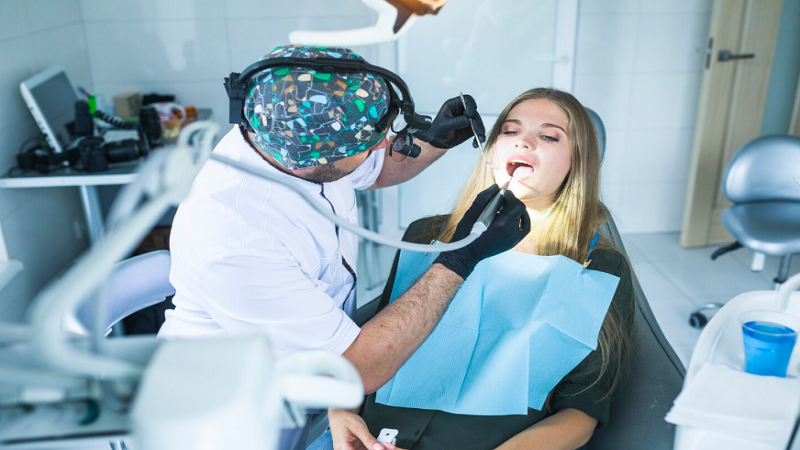
Tooth loss is often viewed as a cosmetic concern, yet its most significant consequences occur beneath the surface. Every missing tooth sets off a chain of biological changes that affect the jawbone, bite alignment, facial structure, and even overall oral function. While many people focus on replacing what is visible, modern implant dentistry aims to preserve what cannot be seen—the health of the supporting bone, surrounding tissues, and the balance of the entire oral system.
The All-On-4 Plus® implant system represents an advanced approach to full-arch rehabilitation that extends beyond restoring a complete smile. It is designed to provide long-term structural support while helping patients maintain healthier oral tissues after extensive tooth loss. Rather than simply replacing missing teeth, this innovative treatment seeks to recreate a stable foundation that encourages lasting oral health.
Tooth Loss Is a Biological Process, Not Just a Missing Tooth
When a natural tooth is lost, the surrounding jawbone loses one of its primary sources of stimulation. During everyday chewing, healthy teeth transfer gentle pressure into the bone, signalling the body to maintain bone density. Without that stimulation, the body gradually begins to resorb the unused bone.
This natural process can lead to several long-term concerns, including:
- Progressive jawbone shrinkage
- Changes in facial appearance
- Shifting of remaining teeth
- Bite instability
- Increased difficulty chewing nutritious foods
- Reduced support for removable dentures
These changes rarely happen overnight. Instead, they develop gradually over months and years, making early intervention an important part of preserving oral health.
Supporting Bone Preservation Through Implant Stability
Dental implants function differently from removable prosthetics because they replace the tooth root as well as the visible crown. Once integrated with the jawbone through osseointegration, implants help restore functional loading during chewing.
The All-On-4 Plus® implant system builds upon this principle by strategically positioning multiple implants to support a complete arch of replacement teeth. Advanced planning techniques allow clinicians to maximise available bone while distributing chewing forces efficiently across the implant framework.
This balanced load distribution helps minimise excessive stress on individual implants while encouraging continued stimulation of the surrounding bone. Although no treatment can completely stop natural ageing, implant-supported restorations may significantly reduce the rate of bone loss compared with leaving teeth unreplaced or relying solely on traditional removable dentures.
Restoring Function Encourages Better Overall Health
Dental health extends far beyond appearance. Efficient chewing allows people to consume a wider variety of nutritious foods, including vegetables, fruits, lean proteins, and high-fibre meals that contribute to overall wellbeing.
Individuals with unstable dentures or extensive tooth loss often modify their diets by avoiding harder foods. Over time, these dietary limitations may reduce nutritional intake and negatively affect general health.
By restoring stable chewing ability, implant-supported full-arch restorations help patients enjoy greater confidence when eating. This functional improvement often supports healthier food choices, better digestion, and an improved quality of life.
Modern Digital Planning Improves Precision
Today’s implant dentistry is increasingly guided by sophisticated digital technologies that enhance both diagnosis and treatment planning.
Three-dimensional CBCT imaging, digital intraoral scanning, virtual implant positioning, and computer-guided surgical planning allow clinicians to evaluate bone quality with remarkable accuracy before treatment begins.
These technologies help practitioners determine ideal implant positioning while considering anatomical structures such as nerves, sinus cavities, and bone volume. Improved precision contributes to predictable treatment outcomes and long-term prosthetic stability.
Digital workflows also allow customised prosthetic design, creating restorations that complement facial proportions, bite function, and speech.
Healthy Soft Tissues Matter Too
Successful implant treatment depends not only on bone integration but also on maintaining healthy gums and surrounding soft tissues.
Properly designed implant restorations make daily cleaning more accessible, allowing patients to remove plaque more effectively around the prosthesis. Combined with regular professional maintenance, good oral hygiene helps reduce the risk of peri-implant diseases such as peri-implant mucositis and peri-implantitis.
Patients who follow personalised maintenance schedules, attend routine reviews, and maintain excellent home care generally experience better long-term implant outcomes.
Long-Term Success Requires Partnership
Implants are highly successful, but they are not maintenance-free.
Long-term success depends upon several important factors, including:
- Daily oral hygiene
- Professional maintenance appointments
- Smoking cessation where applicable
- Managing diabetes and systemic health conditions
- Balanced bite adjustments when necessary
- Regular radiographic monitoring
The most successful outcomes occur when patients view implant treatment as a lifelong partnership with their dental team rather than a one-time procedure.
Meeting High Standards of Care in Australia
Australia maintains rigorous professional expectations for implant dentistry through evidence-based clinical guidelines, infection control protocols, continuing professional education, and comprehensive treatment planning.
Clinicians providing implant treatment are expected to comply with Australian Dental Regulations and Standards for Implants, ensuring patient safety, informed consent, sterilisation protocols, diagnostic assessment, and ongoing maintenance are incorporated into every stage of care.
These standards help ensure that treatment decisions prioritise long-term oral health rather than simply replacing missing teeth. Patients benefit from comprehensive examinations, personalised treatment planning, transparent discussions of risks and benefits, and structured follow-up care designed to support lasting success.
Looking Beyond Tooth Replacement
Perhaps the greatest strength of contemporary implant dentistry lies in its philosophy. Instead of asking how missing teeth can simply be replaced, modern clinicians ask how the entire oral ecosystem can be preserved for decades to come.
The All-On-4 Plus® implant system reflects this shift in thinking by combining biomechanical engineering, digital precision, and biological principles into a comprehensive treatment approach. It supports jawbone preservation, restores functional efficiency, improves facial support, and helps patients regain confidence in everyday life.
When delivered by experienced clinicians who adhere to Australian Dental Regulations and Standards for Implants, this treatment offers more than aesthetic improvement. It provides a scientifically grounded pathway toward maintaining healthier oral structures after tooth loss, allowing patients to protect not only their smile but also the long-term function and stability of their entire dental system.
Ultimately, replacing missing teeth is only the beginning. Preserving the health of the bone, gums, bite, and surrounding tissues is what truly defines successful implant dentistry—and that is where modern full-arch solutions continue to transform lives for years to come. See More