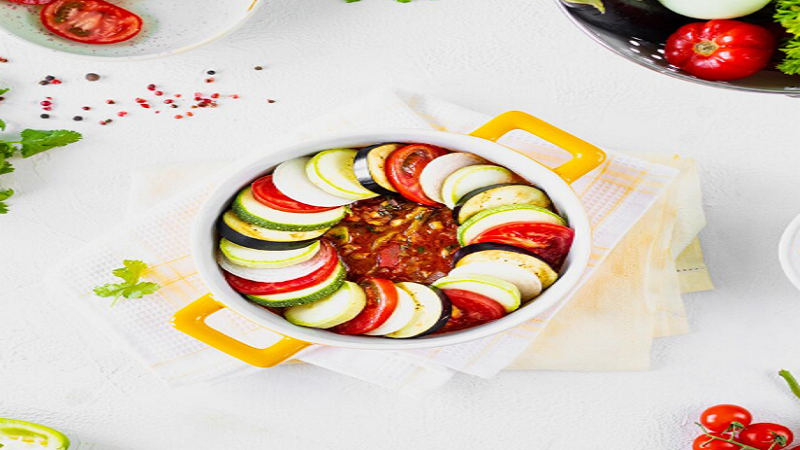
Ratatouille is one of the most iconic dishes in French cuisine. Known for its colorful vegetables, rich Mediterranean flavors, and healthy ingredients, it has become a favorite around the world. Whether served as a main course, side dish, or meal-prep option, ratatouille offers a delicious way to enjoy fresh seasonal vegetables.
In 2026, healthy eating continues to be a global trend, and ratatouille perfectly fits modern lifestyles. It is naturally vegetarian, packed with nutrients, easy to prepare, and incredibly versatile. Home cooks and professional chefs alike appreciate this classic French recipe because it combines simple ingredients into a flavorful and satisfying meal.
This guide covers everything you need to know about ratatouille, including its history, ingredients, cooking process, nutritional value, health benefits, serving suggestions, and expert tips for making the perfect dish.
What Is Ratatouille?
Ratatouille is a traditional French vegetable stew that originated in the Provence region of southern France. It is made by slowly cooking fresh vegetables such as eggplant, zucchini, tomatoes, bell peppers, onions, and garlic with olive oil and aromatic herbs.
The vegetables are cooked until tender while maintaining their individual flavors. The result is a colorful, fragrant dish that highlights the natural sweetness of fresh produce.
Although it is often served warm, ratatouille is equally delicious at room temperature or chilled, making it suitable for every season.
History of Ratatouille
Ratatouille originated in the city of Nice during the eighteenth century. Farmers created the dish as an affordable way to use fresh summer vegetables harvested from their gardens.
Originally considered a simple country meal, ratatouille gradually became one of the most respected dishes in French cooking. As French cuisine gained worldwide popularity, ratatouille became known internationally for its healthy ingredients and rustic charm.
Today it is served in homes, restaurants, and fine dining establishments across the globe.
Why Ratatouille Is So Popular
There are many reasons why ratatouille remains a favorite.
- Rich in vegetables
- Naturally vegetarian
- Easy to prepare
- Budget-friendly
- Perfect for meal prep
- Full of Mediterranean flavors
- Low in calories
- High in fiber
- Suitable for many diets
- Beautiful presentation
Its simplicity and nutritional value make it one of the healthiest traditional recipes available.
Traditional Ingredients
Classic ratatouille uses fresh seasonal vegetables.
Main Ingredients
- Eggplant
- Zucchini
- Tomatoes
- Bell peppers
- Onion
- Garlic
- Olive oil
- Fresh thyme
- Basil
- Rosemary
- Salt
- Black pepper
Many modern recipes also include mushrooms, squash, or fresh parsley for additional flavor.
How to Make Ratatouille
Preparing ratatouille is simple.
Step 1: Prepare the Vegetables
Wash all vegetables thoroughly.
Cut the eggplant, zucchini, tomatoes, peppers, and onions into evenly sized pieces.
Step 2: Cook the Aromatics
Heat olive oil in a large pan.
Add onions and garlic.
Cook until fragrant and softened.
Step 3: Add Vegetables
Add peppers first, followed by eggplant and zucchini.
Cook for several minutes before adding tomatoes.
Step 4: Season
Add thyme, basil, rosemary, salt, and black pepper.
Allow the vegetables to simmer gently until tender.
Step 5: Serve
Serve warm with fresh basil and a drizzle of olive oil.
Modern Ratatouille Variations
Although the traditional version remains popular, several variations have become common.
Classic French Ratatouille
Prepared using rustic chunks of vegetables slowly cooked together.
Layered Ratatouille
Thinly sliced vegetables are arranged in decorative layers and baked until tender.
Vegan Ratatouille
Prepared without any dairy products while maintaining the traditional vegetable base.
Mediterranean Ratatouille
Includes olives, fresh herbs, and additional Mediterranean vegetables.
High-Protein Ratatouille
Served with grilled chicken, fish, beans, or tofu for a balanced meal.
Nutritional Value
A typical serving provides approximately:
- Calories: 140–180
- Protein: 3–5 grams
- Carbohydrates: 15–20 grams
- Fat: 7–10 grams
- Fiber: 5–7 grams
- Vitamin A
- Vitamin C
- Potassium
- Antioxidants
The nutritional values vary depending on cooking methods and portion size.
Health Benefits
Ratatouille is considered one of the healthiest traditional dishes.
Rich in Antioxidants
Tomatoes, peppers, and eggplants contain antioxidants that help protect the body’s cells.
Supports Heart Health
Olive oil provides healthy fats that support cardiovascular health.
High in Fiber
Vegetables contribute dietary fiber that promotes healthy digestion.
Weight-Friendly
Its low calorie content makes ratatouille suitable for weight management.
Excellent Source of Vitamins
Fresh vegetables provide vitamins A, C, and K along with essential minerals.
Best Herbs for Ratatouille
Fresh herbs greatly enhance flavor.
Popular choices include:
- Thyme
- Basil
- Rosemary
- Oregano
- Parsley
- Bay leaves
Using fresh herbs whenever possible produces the best results.
What to Serve with Ratatouille
Ratatouille pairs beautifully with many foods.
Popular serving ideas include:
- Crusty French bread
- Steamed rice
- Mashed potatoes
- Pasta
- Grilled chicken
- Steak
- Baked fish
- Quinoa
- Couscous
- Fresh green salad
It also works well as a topping for toast or as a filling for sandwiches.
Storage Tips
Allow the dish to cool completely before storing.
Keep it in an airtight container in the refrigerator for up to four days.
Many people find that the flavors become even richer the following day.
Ratatouille can also be frozen for up to three months.
Common Mistakes
Avoid these common mistakes:
- Overcooking the vegetables
- Using low-quality olive oil
- Skipping fresh herbs
- Cutting vegetables into uneven sizes
- Cooking over very high heat
- Adding too much liquid
Proper cooking preserves both texture and flavor.
Frequently Asked Questions
Is ratatouille vegetarian?
Yes. Traditional ratatouille is naturally vegetarian and vegan.
Can I freeze ratatouille?
Yes. It freezes very well and can be reheated without losing much flavor.
Is ratatouille healthy?
Absolutely. It is packed with vegetables, vitamins, fiber, and healthy fats.
Can ratatouille be served cold?
Yes. It tastes delicious warm, at room temperature, or chilled.
Which vegetables are essential?
Eggplant, zucchini, tomatoes, onions, peppers, and garlic form the traditional base.
Why Ratatouille Remains Popular in 2026
As more people choose nutritious, plant-based meals, ratatouille continues to gain popularity. Its fresh ingredients, Mediterranean flavors, and flexible serving options make it suitable for everyday cooking. Whether prepared traditionally or with modern variations, it remains a perfect example of healthy comfort food.
Conclusion
Ratatouille is much more than a simple vegetable dish. It represents the rich culinary traditions of southern France while meeting the needs of today’s health-conscious lifestyle. Its colorful vegetables, aromatic herbs, and wholesome ingredients create a meal that is both satisfying and nutritious.
Whether you enjoy it as a main course, side dish, or meal-prep favorite, ratatouille is easy to prepare and endlessly versatile. By using fresh seasonal vegetables and quality olive oil, you can create an authentic French dish that is delicious, healthy, and perfect for any occasion in 2026. See More