Australia records one of the highest skin cancer rates in the world. Many people book screenings only after noticing visible changes, but waiting too long can limit treatment options.
A proper screening is quick, practical, and often preventative. Knowing what happens before, during, and after the appointment helps patients make informed decisions without unnecessary stress.
Why Skin Cancer Screenings Matter Across Australia
Regular skin checks help identify suspicious lesions before they progress further. Clinics focus on early identification because timely diagnosis often improves treatment outcomes and reduces procedure complexity.
- Australia has extremely high UV exposure levels
- Melanoma can develop without pain or irritation
- Early detection improves survival outcomes
- Some skin cancers grow faster than expected
- Outdoor workers face increased long term risk
- Regular monitoring supports preventive healthcare
What Patients Should Expect During a Screening Appointment
Most first time patients are unsure what actually happens during a skin cancer check. The process is usually straightforward, structured, and designed to identify suspicious skin changes early.
1. Full Body Checks Help Detect Hidden Skin Changes
Doctors often inspect areas patients rarely examine themselves. The scalp, back, shoulders, and legs commonly contain lesions that go unnoticed for months or even years.
A complete assessment improves detection accuracy. Identifying hard to see lesions early reduces the likelihood of delayed treatment later.
2. Not Every Spot or Mole Is Dangerous
Many skin marks are harmless freckles, age spots, or benign growths. A screening does not automatically mean cancer will be found during the appointment.
The goal is careful assessment and monitoring. Doctors look for irregular visual patterns linked to melanoma and other common skin cancers.
3. Early Detection Often Means Simpler Treatment
Small lesions are usually easier to remove and monitor. Early stage treatment often involves minor outpatient procedures with shorter recovery periods.
Once cancer spreads deeper into tissue, treatment becomes more involved. That is why timely medical assessment plays such a critical role in patient outcomes.
4. Australians With Fair Skin Face Higher Risk
People with fair complexions, light eyes, freckles, or a history of sunburn often face increased skin cancer risk across Australia.
Repeated UV exposure damages skin over time. This cumulative damage contributes to higher melanoma vulnerability in many Australian adults.
5. Outdoor Occupations Increase Long Term Exposure
Construction workers, landscapers, athletes, and beachside staff spend extended hours under direct sunlight throughout the year.
Daily sun exposure builds gradually across decades. Consistent UV exposure creates long term skin damage that may not appear immediately.
6. Technology Improves Examination Accuracy
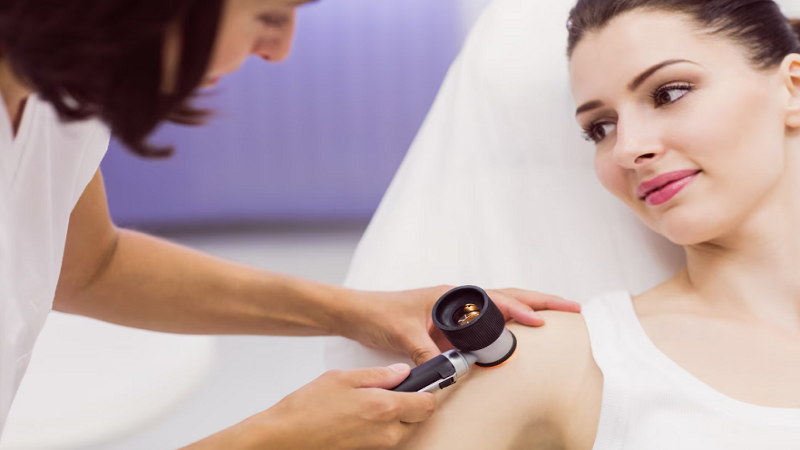
Many clinics now use dermoscopy tools and digital imaging systems during skin checks. These tools allow doctors to inspect lesions more closely beneath the skin surface.
Imaging also helps with future comparisons. Monitoring subtle mole changes over time improves diagnostic consistency during repeat screenings.
Additional Benefits or Insights
Booking a skin cancer screening provides more than short term reassurance. It also helps patients build awareness around prevention, monitoring, and long term skin health management.
1. Patients Should Avoid Makeup and Nail Polish
Heavy makeup can make facial inspections harder during the examination. Nail polish may also block visibility around fingernails and nail beds.
Clear skin improves examination quality. Doctors rely on unobstructed skin visibility to identify unusual pigmentation or lesion development.
2. Screening Frequency Depends on Individual Risk
Some Australians only require annual checks. Others may need more frequent appointments due to family history or previous skin cancer diagnosis.
Doctors assess several risk factors before recommending follow up schedules. Consistent reviews improve preventive monitoring accuracy over time.
3. Family History Plays an Important Role
Patients with close relatives diagnosed with melanoma should take skin screenings seriously. Genetics can influence long term skin cancer susceptibility.
Family history helps shape monitoring strategies. Doctors often recommend proactive screening schedules for patients with inherited risk factors.
4. Many Australians Delay Screenings Unnecessarily
Some people avoid appointments because they fear bad news. Others assume a spot is harmless because it has remained unchanged for years.
That delay can become dangerous. Persistent avoidance increases the risk of late stage detection and more complicated treatment needs.
5. Choosing the Right Clinic Matters
Patients often compare specialists before booking appointments. Understanding the differences between clinics helps Australians choose care that matches their situation.
Resources discussing dermatologist vs skin cancer clinic help patients understand different clinical assessment approaches and treatment pathways.
6. Prevention Habits Still Matter Between Appointments
Skin checks are important, but daily prevention also reduces long term risk. Sunscreen, protective clothing, and shade all support healthier skin protection habits.
Prevention works best when practiced consistently. Reducing cumulative ultraviolet exposure lowers future skin damage across all age groups.
7. Early Monitoring Supports Better Long Term Outcomes
Patients who complete routine screenings usually develop stronger awareness of their own skin patterns and changes over time.
That familiarity improves reporting accuracy. Recognizing unusual skin developments earlier supports faster diagnosis and treatment decisions.
Practical Steps Before Booking Your Appointment
Preparing properly helps patients get more value from their skin cancer screening appointment. Small details can improve both comfort and examination accuracy.
- Wear loose and comfortable clothing
- Remove makeup before the appointment
- Avoid wearing nail polish if possible
- Note any changing spots or lesions
- Bring previous medical history if relevant
- Mention family history of melanoma
- Ask questions about follow up schedules
Conclusion
Skin cancer screenings help Australians identify suspicious skin changes before they become harder to treat. Regular monitoring supports earlier diagnosis, simpler procedures, and stronger long term outcomes across different age groups. Australia’s high UV exposure makes preventive skin checks an important part of routine healthcare. Acting early often gives patients more treatment options and greater peace of mind moving forward. See More